
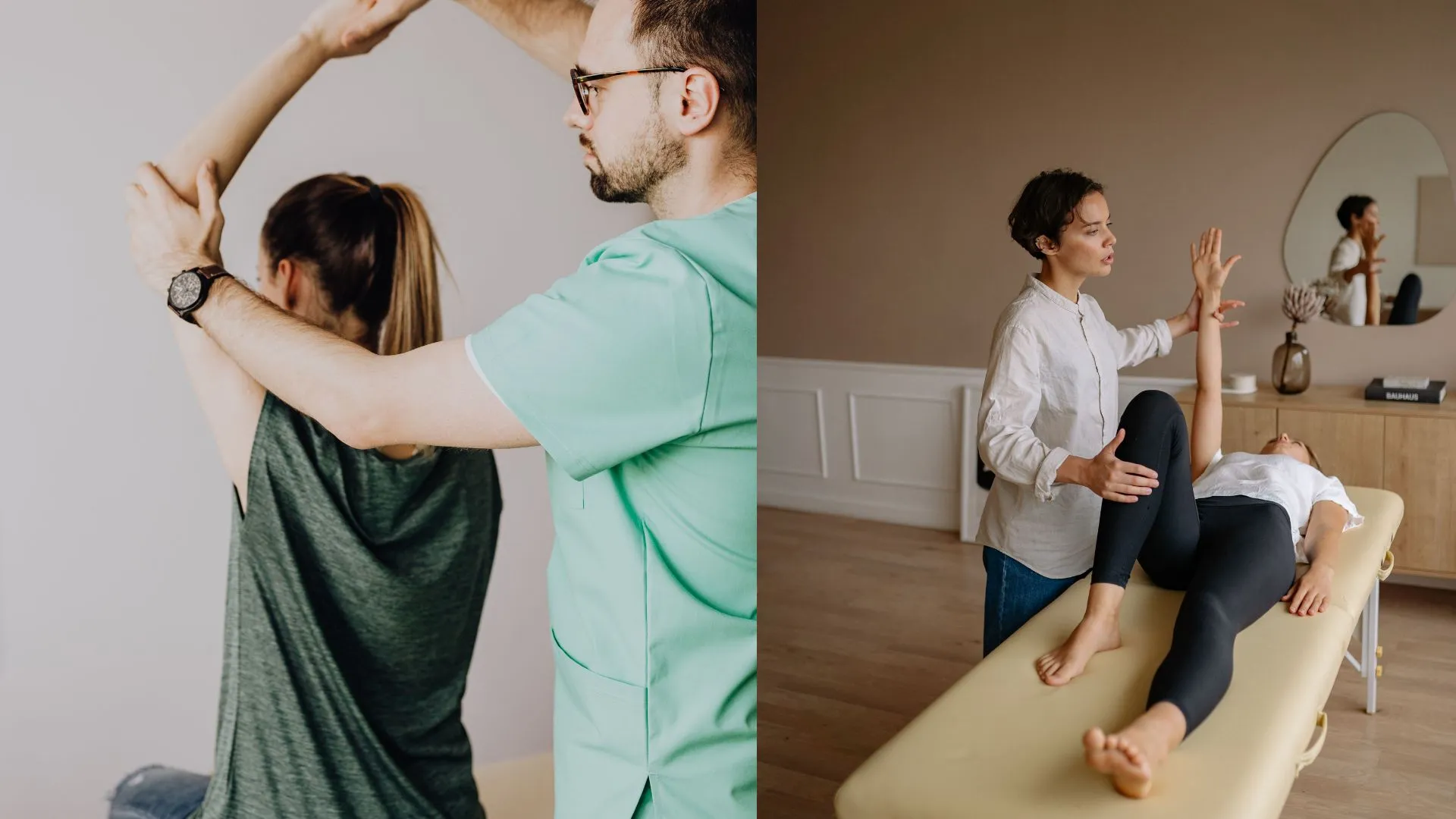
In-Home Physiotherapy vs. Clinic Visits: Which Is Right for You?
In-home physiotherapy vs. clinic visits is a common question for people recovering from injury, surgery, or age-related mobility changes. Both options offer professional physiotherapy care, but they differ in terms of convenience, access to equipment, and the overall treatment experience.
The best option will depend on your mobility, your goals, and how much you value convenience compared to access to specialised equipment.
In-Home Physiotherapy vs Clinic Visits: Key Differences
In-home physiotherapy and clinic visits differ in several practical respects, as summarised in the table below.
| Feature | In-Home Physiotherapy | Clinic Physiotherapy |
| Convenience | High: treatment happens at home. | Requires travel to a clinic |
| Travel Required | None | Yes, to and from appointments. |
| Personalised Care | Sessions shaped around your home environment | Structured, clinic-based sessions |
| Access to Equipment | Limited to portable equipment | Full range of clinic equipment |
| Comfort | Familiar, relaxed home setting | Clinical, professional setting |
| Cost | Often similar, may include a travel fee | Generally a standard consultation fee |
| Appointment Flexibility | Flexible scheduling around home life | Fixed clinic hours and time slots |
| Best For | Limited mobility, post-surgery, elderly clients | Complex cases needing specific equipment |
Neither option is better on its own across every factor. The right one depends on which rows in this table matter most for your particular situation.
Benefits of In-Home Physiotherapy
In-home physiotherapy removes the need to travel while recovering, which matters most for people with limited mobility, chronic pain, or post-surgical restrictions.
- No travel time or transport costs, which helps people who find getting to appointments physically difficult or exhausting.
- Sessions can include real-life tasks such as getting in and out of a chair, using stairs, or moving furniture around at home.
- Family members or carers can be involved directly in the session and learn how to safely support exercises between visits.
These practical advantages often make recovery feel less disruptive to daily life, particularly in the weeks right after surgery or a hospital stay.
Benefits of Clinic Physiotherapy
Physiotherapy clinic access provides access to equipment that isn’t practical to bring into a home, such as exercise machines, parallel bars, or hydrotherapy pools.
- Full range of gym-style equipment for strength, balance, and rehabilitation exercises.
- A dedicated treatment space designed specifically for assessment and hands-on manual therapy.
- Easy access to other allied health professionals working within the same clinic.
This makes clinics well-suited to more complex rehabilitation needs, especially where progress needs to be tracked over time using specific equipment.
Who Benefits Most from In-Home Physiotherapy?
Older adults, people recovering from surgery, and those with reduced mobility often benefit most from treatment delivered at home.
This is especially true for people already receiving home care services in Adelaide, since physiotherapy can be coordinated alongside existing support without adding extra appointments.
People managing chronic conditions who find travel physically draining also tend to prefer the home base, as the energy saved on travel can be used for the session itself.
Who May Prefer Clinic Physiotherapy?
People with complex injuries needing specialised equipment, or those who are otherwise mobile and active, often prefer clinic-based sessions.
Younger patients recovering from sports injuries frequently benefit from the structured environment, equipment, and staged rehabilitation programmes a clinic provides.
Factors to Consider Before Choosing
Finding the best physio in Adelaide for your needs depends on more than location. Mobility level, condition complexity, and personal comfort all matter.
- How easily can you travel to and from appointments without added pain or fatigue?
- Does your condition require specific equipment that’s only available in a clinic setting?
- Would sessions in your home make it easier to practise daily tasks safely, alongside other support such as assistance with daily living?
Weighing these questions together usually points towards the setting that will genuinely work best for your recovery.
Can You Combine Both Treatment Options?
Yes, many people use a mix of both, starting with in-home sessions after surgery or injury before transitioning to a clinic as mobility improves.
This combined approach offers the convenience of home-based care early in recovery, with access to clinic equipment once travel becomes easier and less painful.
Physiotherapists can often coordinate this transition themselves, adjusting the plan as strength and confidence build over time.
Why Choose Professional In-Home Physiotherapy in Adelaide?
Choosing in-home physio in Adelaide means treatment is designed to fit your home, your schedule, and your existing support network.
In-home physiotherapy in Adelaide can also be coordinated with existing aged care or NDIS supports, reducing the need for separate, disconnected appointments.
The Bottom Line: In-Home or Clinic Physiotherapy?
Neither in-home nor clinic physiotherapy is universally better. The right choice depends on your mobility, your goals, and your day-to-day circumstances. In-home care offers convenience and comfort, while clinics provide specialised equipment for more complex cases. Many people benefit from both at different stages of recovery.
Frequently Asked Questions
Is at-home physiotherapy effective for seniors?
Yes, home-based physiotherapy is widely used for older adults, particularly for balance, strength, and fall-prevention programmes tailored to their daily lives at home. Treating seniors in a familiar environment also tends to improve comfort and consistency with exercises between sessions.
Are home physiotherapy services covered by insurance?
Coverage depends on the funding pathway. Private health extras often contribute, while NDIS plans or home care packages may cover eligible sessions. Programmes listed on My Aged Care outline the funding options that may apply to home-based allied health services, including physiotherapy.
Can physiotherapy help prevent falls in elderly people?
Yes, physiotherapist-led balance and strength training is a well-established way to reduce the risk of falls in older adults. Programmes are usually tailored to individual strength, balance, and existing risk factors identified in an initial assessment.
Do I need a referral for in-home physiotherapy in Adelaide?
In most cases, no referral is needed to book a private physiotherapy appointment for a standard consultation. Certain funding pathways, such as NDIS plans or specific Medicare items, may still require documentation from a GP or care coordinator.
References
Dementia Activities & Cognitive Support – Alzheimer’s Association – Activities for People with Alzheimer’s Disease
Benefits of Mental & Social Engagement – Dementia Australia – Activities and Dementia
Physical Activity & Brain Health – National Institute on Aging – Cognitive Health and Older Adults
Reducing Agitation Through Engagement – Alzheimer’s Society – Keeping Active and Involved
Person-Centred Care Approach – World Health Organization – Dementia Care Guidelines
Sensory Stimulation & Late-Stage Dementia – NHS – Dementia Activities and Care
Music Therapy & Emotional Response – American Music Therapy Association – Music Therapy and Dementia
Daily Routine & Independence – Healthdirect Australia – Dementia Support and Care